Artist Statement
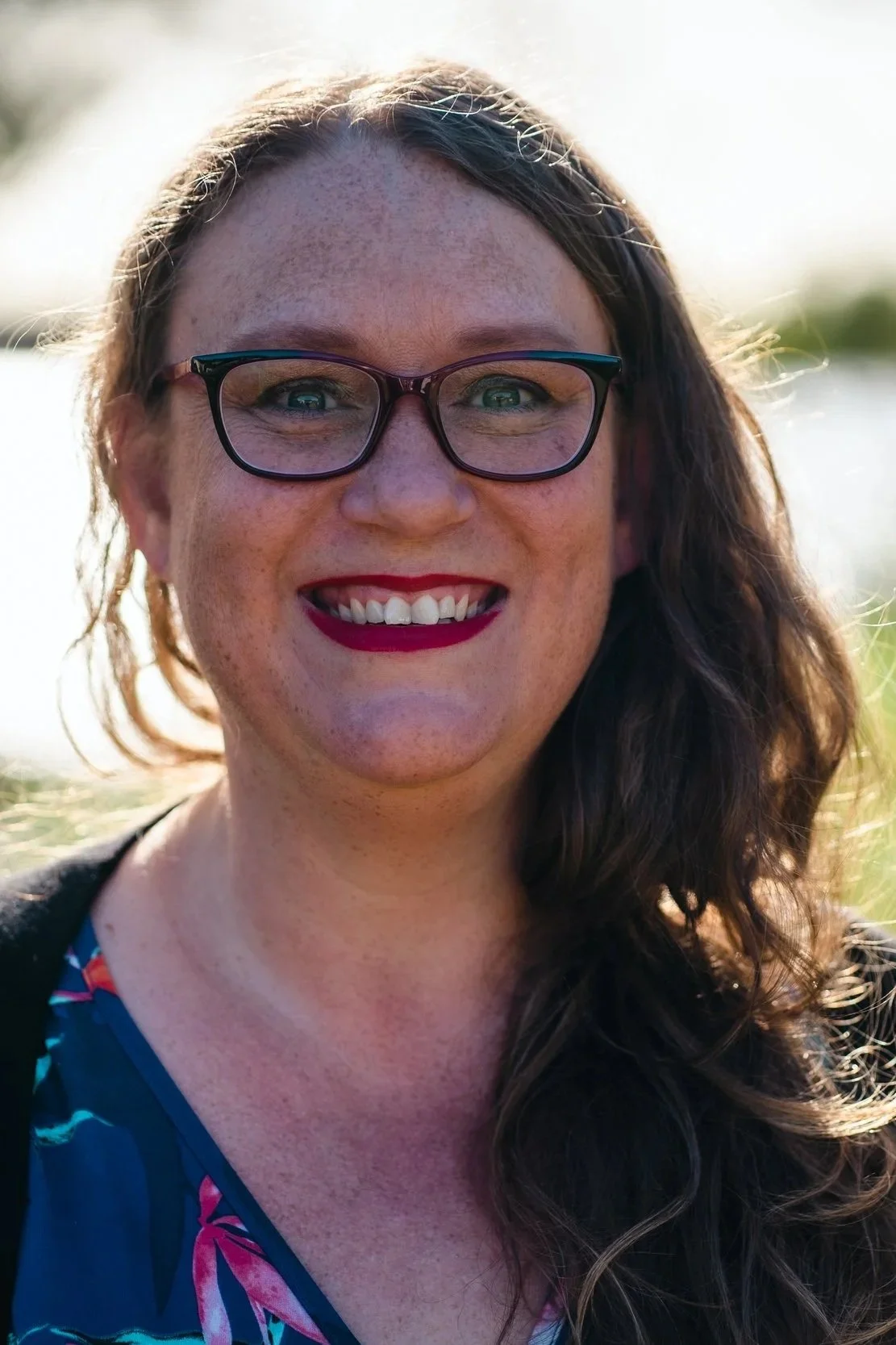
Christie Lange
I am an artist in lutruwita/Tasmania. I make sculptural works that attend to small, more-than-human organisms and the ways they recycle, regenerate and restore ecological systems.
Thirteen years ago, I visited Cradle Mountain and walked the Enchanted Walk. I was captivated by the lichens, mosses and fungi — their quiet persistence, their intricate forms, the way they seemed to stitch the forest floor and fallen logs together. They were small, easily overlooked, yet essential — binding soil, holding moisture, initiating cycles of decay and renewal.
A few years later, I began learning about fungi more closely, growing oyster mushrooms and observing how mycelium threads its way through substrate — binding, recycling, and transforming. I became fascinated by the intelligence of these systems — how mycelial networks communicate, recycle detritus, cycle nutrients and quietly regenerate damaged ground. What had first captivated me visually began to unfold as process. I found myself immersed in learning how these organisms decompose, bind, restore — how life persists through collaboration and exchange.
During this time, I was also navigating infertility. I found myself thinking about cycles differently — about fertility and barrenness, regeneration and loss, the conditions required for life to take hold. I began to see parallels between human bodies and ecological systems — how both depend on balance, timing, nourishment and protection.
As I moved through that period, I became increasingly drawn to the motif of the seed — a form that contains within it the potential for germination, waiting for the right conditions to emerge. Over time, I began imagining seeds as animated forms — capable of moving toward the conditions they needed, responsive rather than passive. These ideas evolved into speculative hybrids — fungi-animal-plant forms that metabolise manufactured materials and propose the regeneration of humanised landscapes.
Underlying this work is a concern with disconnection — with the ways we have forgotten our interdependence with the more-than-human world. The organisms I attend to are often overlooked, yet they hold systems together. Their labour is collaborative, relational and cyclical — a reminder that life persists through entanglement rather than isolation.
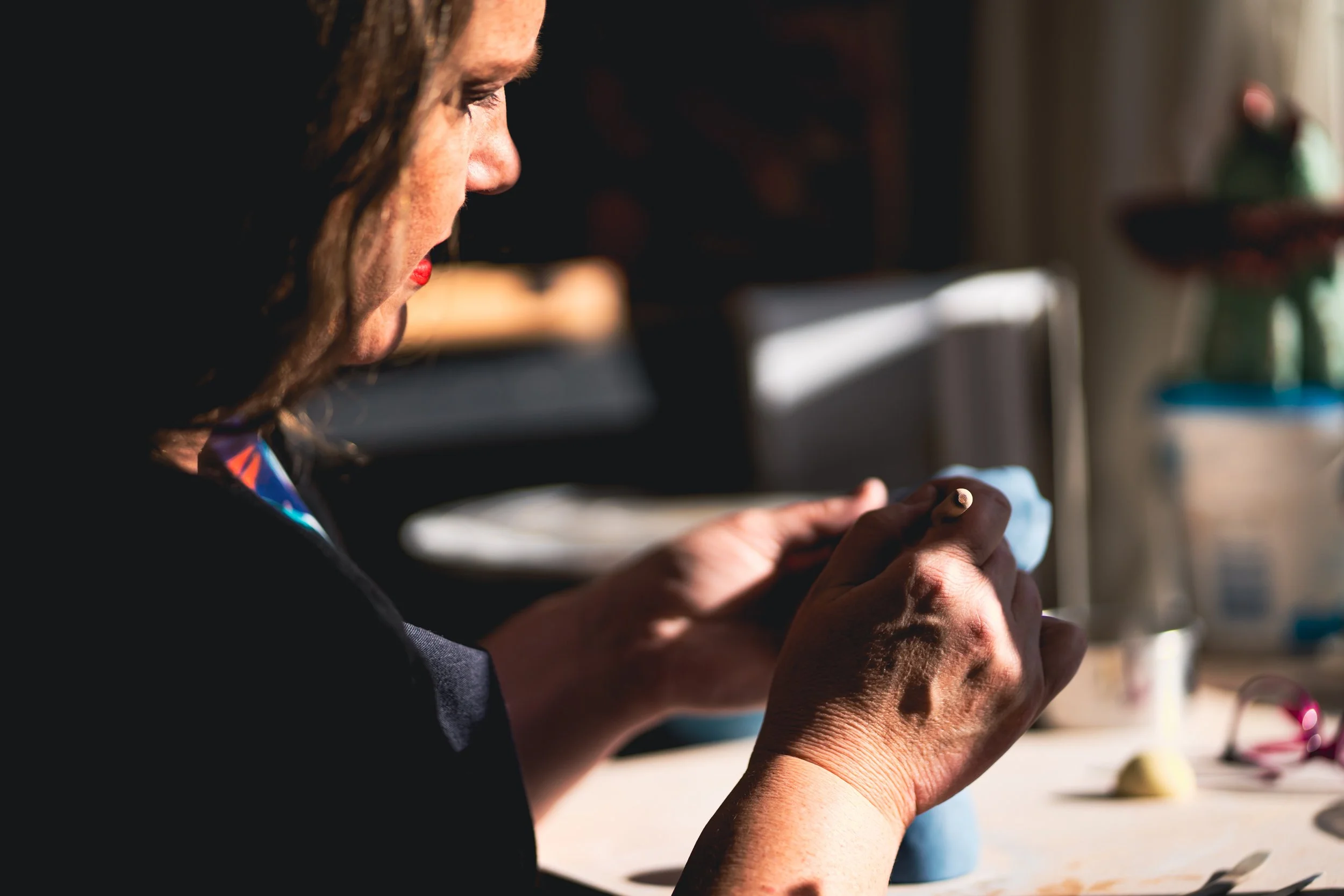
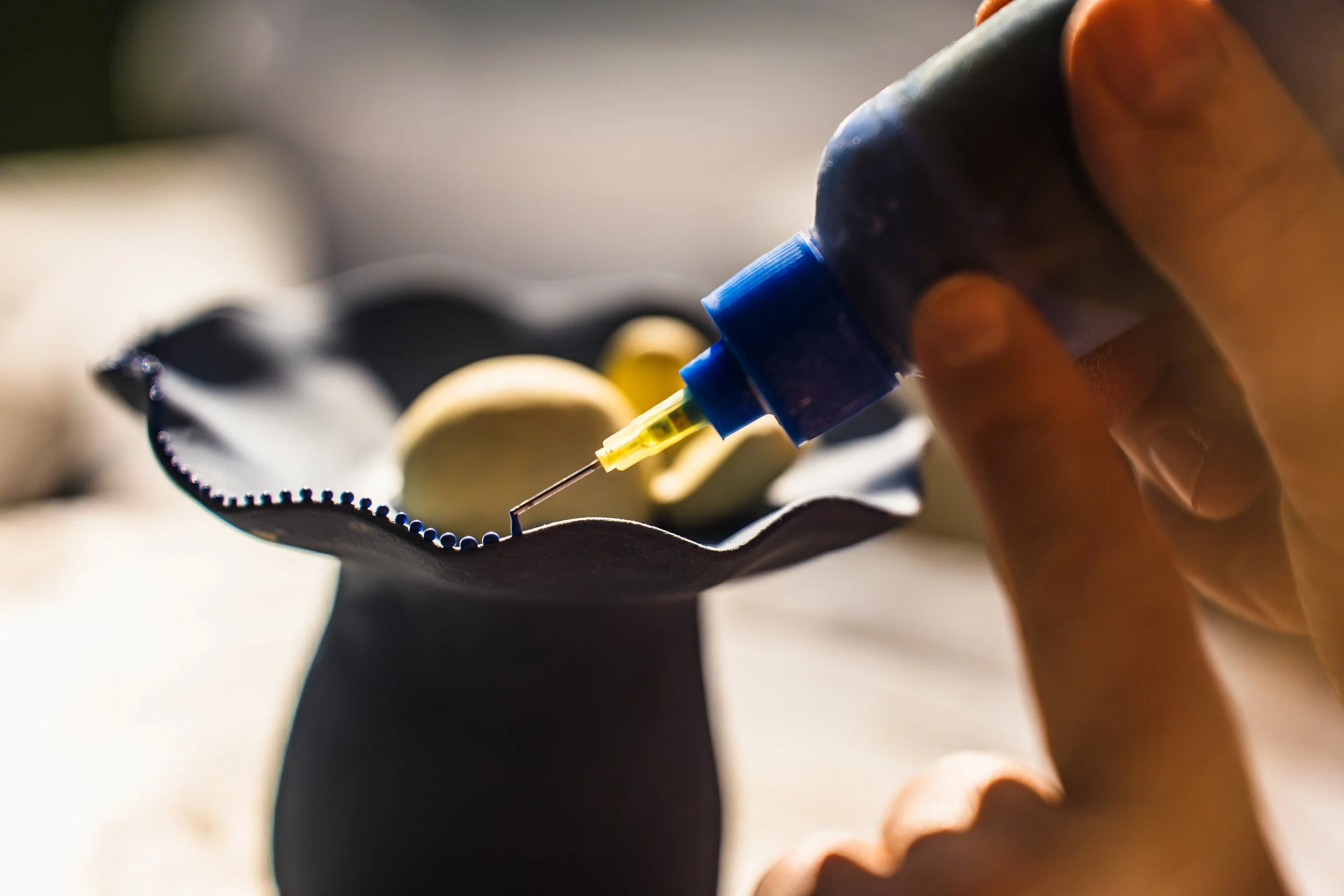
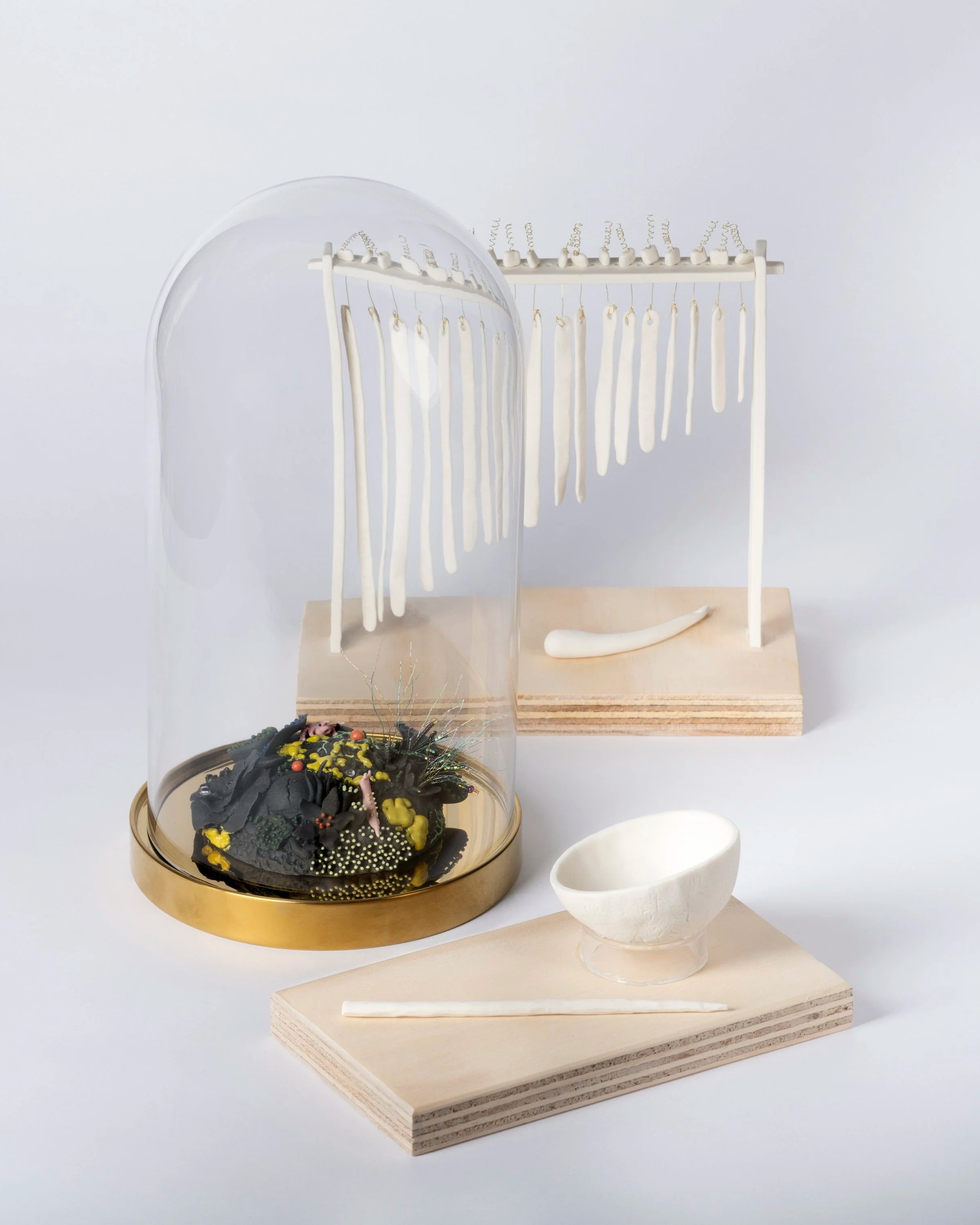
My making resists this fracture by leaning into attention. I spend time learning from and observing these organisms in the natural world, returning to them repeatedly. In the studio, this felt knowledge is translated slowly through hand-building — working closely with materials, participating in the careful translation of patterns and processes from more-than-human systems into clay and thread.
More recently, my learning has extended into soil animal communities — the microfauna that live within and alongside fungal networks, contributing to decomposition, nutrient cycling and soil formation. These organisms do not operate in isolation; they function as part of a dense web of reciprocal exchange. As I deepen my understanding of these entangled communities, their patterns and processes increasingly find their way into my work — expanding my forms from singular organisms toward relational systems.
I believe that re-attuning ourselves to these foundational systems of exchange and regeneration is essential. They remind us that resilience is relational, and that renewal is incremental — inviting a deepening humility and a willingness to engage in countless small acts of care.
Christie Lange
Binalong Bay, Tasmania
February, 2026.